8 Marketing Theories Every Online Store Owner Must Know
2025-12-24 17:26:32
1. Jobs to Be Done: Selling Outcomes, Not Features
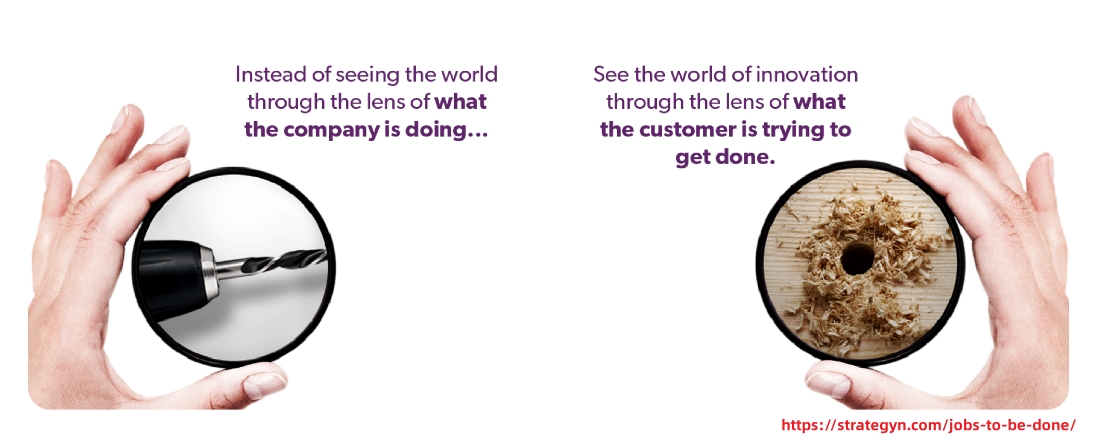
Customers do not buy an online store or a builder because of its functions; they buy it to accomplish a specific goal. That goal might be launching quickly, reducing operational stress, or creating a reliable income stream. In the AI era, ecommerce platforms that automate complex tasks and shorten time-to-value are more effective because they complete the customer’s “job” better than traditional tools.
2. Value Proposition Canvas: Clarity Wins in Crowded Markets
As competition intensifies, unclear value propositions quickly fail. AI-powered ecommerce solutions succeed when they clearly explain how they relieve pain—such as technical barriers or traffic acquisition—and deliver concrete gains like efficiency, visibility, and growth. Strong value propositions translate complexity into confidence for store owners.

3. The Five Whys: Finding the Real Growth Blockers
When an online store underperforms, the visible problem is rarely the root cause. Asking “why” repeatedly often reveals deeper issues: poor positioning, lack of trust, or misaligned customer expectations. Even with advanced AI analytics, structured reasoning is critical for identifying what truly limits growth.
Five whys (or 5 whys) is an iterative interrogative technique used to explore the cause-and-effect relationships underlying a particular problem.[1] The primary goal of the technique is to determine the root cause of a defect or problem by repeating the question "why?" five times, each time directing the current "why" to the answer of the previous "why".
4. Blue Ocean Strategy: Escaping Price and Feature Wars
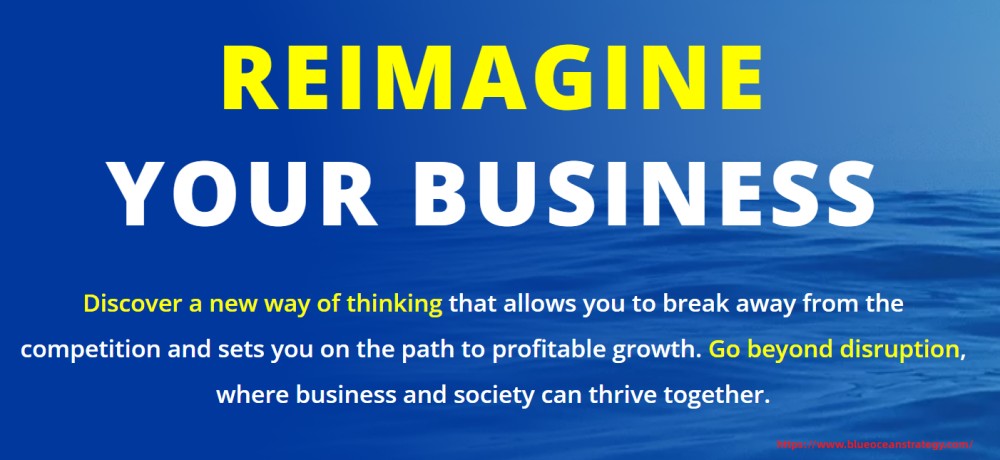
Most ecommerce niches are saturated, making direct competition costly and unsustainable. Blue Ocean Strategy encourages store owners to create new value spaces by simplifying workflows, bundling services, or targeting overlooked customer segments. AI makes this approach more accessible by reducing experimentation costs and enabling rapid differentiation.
5. User Story Mapping: Designing Around Real Customer Journeys
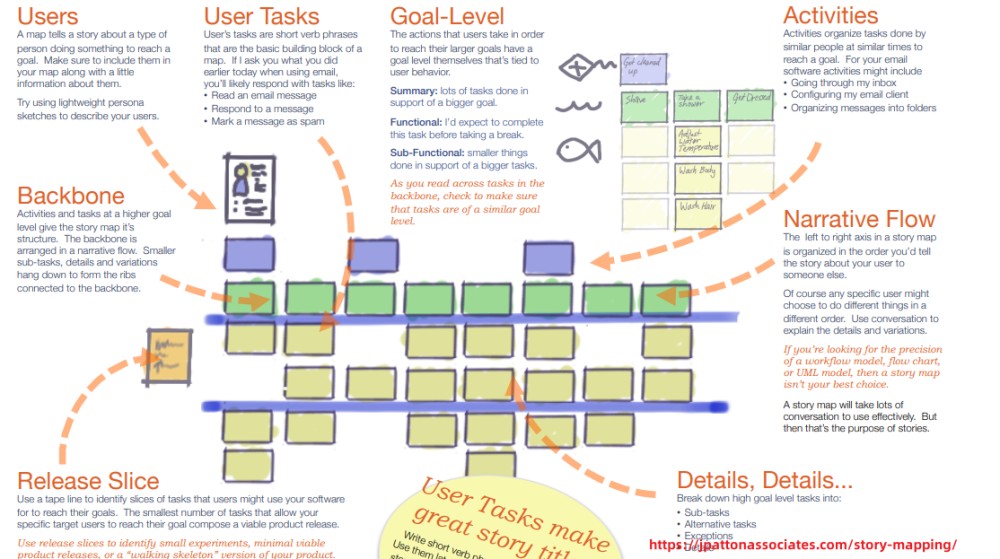
Successful online stores are built around how users actually behave, not how teams assume they should behave. User Story Mapping helps align product features, onboarding flows, and content with the customer’s real journey—from first discovery to repeat purchase. AI-driven personalization further strengthens this alignment when the underlying journey is well designed.
6. Human-Centered Design: Making AI Feel Helpful, Not Complex
Technology alone does not create trust. Human-centered design emphasizes empathy, usability, and emotional reassurance—factors that are especially important for first-time store owners. AI-powered ecommerce tools must feel intuitive and supportive, reducing anxiety rather than introducing new layers of complexity.
7. Design Thinking: Speed Through Iteration
In fast-moving ecommerce markets, perfection is less valuable than adaptability. Design Thinking promotes rapid prototyping, testing, and iteration, allowing store owners and platform builders to respond quickly to user feedback. AI accelerates this cycle, but disciplined experimentation remains the key to sustainable improvement.

8. Outcome-Driven Innovation: Competing on What Matters Most
Outcome-Driven Innovation focuses on what customers are ultimately trying to achieve, not how products are traditionally built. For online store owners, outcomes such as faster launch, organic traffic growth, or simplified operations can be measured and prioritized. AI becomes most powerful when it is deployed explicitly to deliver these high-impact outcomes.